
Medieval Fashion Guide: Clothing, Accessories, And Armor
 admin
admin
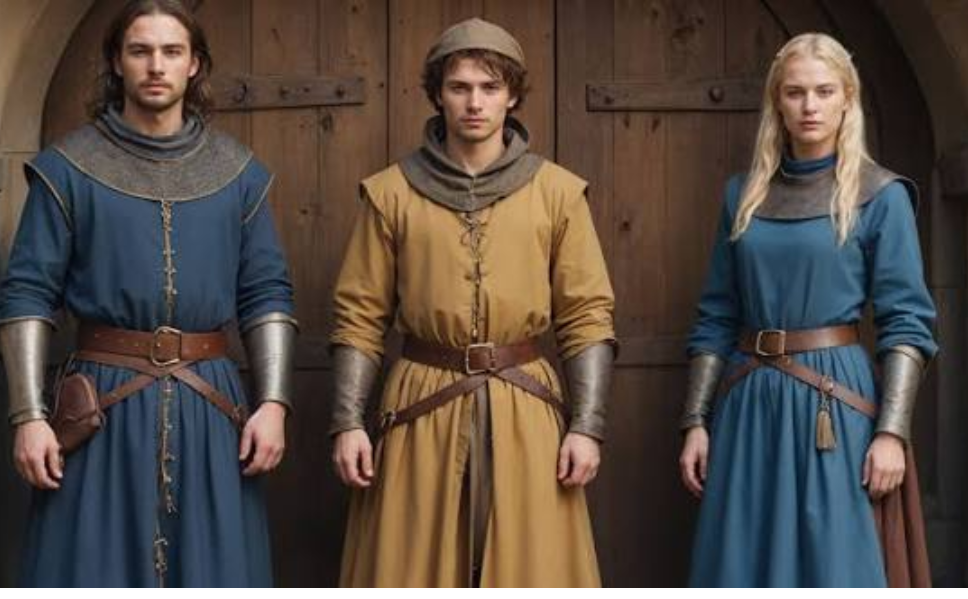
Medieval fashion is more than just tunics and armor. From flowing dresses and cloaks to belts, boots, and detailed accessories, every piece helps create a distinctive historical look. This guide explores the essential clothing, accessories, and armor you need to build a complete medieval-inspired outfit.
All featured products are selected by our editors and may include affiliate links. If you purchase through these links, we may earn a commission.
Medieval fashion still captures attention today, as rich fabrics, detailed designs, and dramatic layers made clothing more than just something to wear. Every piece had a purpose, as each could show individual social status, wealth, occupation, or place in society. From flowing dresses and tunics to sturdy boots and cloaks, medieval clothing came in many styles.
Accessories also played an important role in completing the look. Belts, hats, jewelry, bags, and head coverings added both style and function. Armor was just as significant for knights and warriors. It offered protection while also creating a bold and recognizable appearance. Together, clothing, accessories, and armor helped shape the distinct looks of the medieval era.
Understanding Medieval Fashion
Many factors shaped medieval clothing. Climate, occupation, religion, culture, and social status all influenced what people wore. Clothing also needed to be practical that’s why farmers and workers often chose simple pieces that were comfortable and durable. Nobles could afford richer fabrics, detailed embroidery, and more elaborate designs. Fashion was not just about looking good. It often showed where a person stood in society.
The choice of fabric and color also depended on wealth and availability. Wealthier people could enjoy silk, velvet, and fine wool. Colors such as brown, gray, and natural tones were common in everyday clothing. Richer shades like deep red, blue, purple, and green were more noticeable in wealthy wardrobes. Tunics, gowns, cloaks, belts, and head coverings were popular styles. Museum Replicas helped create the layered and distinctive look in each piece we associate with medieval fashion today.
Essential Medieval Clothing
Medieval outfits were built around practical and layered clothing. Tunics, gowns, cloaks, trousers, and dresses formed the base of most wardrobes. Each piece added comfort, protection, or style while reflecting the wearer’s role and status.
Tunics And Shirts
Tunics and shirts were everyday staples in medieval wardrobes, especially for men. They were usually worn as base layers and came in different lengths, fits, and fabrics. Simple linen or wool styles worked well for daily activities, while longer and more detailed tunics suited wealthier or higher-status characters.
Medieval Dresses And Gowns
Dresses and gowns gave medieval women a graceful, layered look. They were often worn over simple undergarments and could include fitted bodices, flowing skirts, long sleeves, or decorative details. The fabric, color, and design could also reflect the wearer’s social status and occasion.
Cloaks And Capes
Cloaks and capes were both practical and stylish. They provided extra warmth and protection from wind and rain while adding character to an outfit. Choose a heavier wool cloak for a rugged look or a lighter, more decorative cape for a noble or elegant appearance.
Trousers And Medieval Pants
Trousers were practical choices for men, soldiers, workers, and travelers. Styles could range from simple fitted trousers to looser designs made for movement. Pair them with a basic tunic or shirt for an everyday look, or add a belt, boots, and cloak to create a more complete medieval outfit.
Medieval Accessories To Complete Your Look
Here are some Medieval accessories to complete your look.
Belts And Pouches
- Leather Belts: Add a practical and authentic touch to tunics, dresses, and cloaks.
- Decorative Belts: Choose detailed designs for a more polished or noble appearance.
- Waist Pouches: Useful for carrying small essentials while completing the medieval look.
- Medieval Headwear
- Hoods: Great for creating a simple and practical medieval appearance.
- Hats: Add personality and work well with both casual and character-inspired outfits.
- Caps: A simple option for everyday medieval-inspired looks.
- Veils: Add an elegant and traditional touch to women’s outfits.
Medieval Footwear
- Leather Boots: Pair well with rugged, warrior, traveler, or historical outfits.
- Simple Shoes: Work nicely with everyday tunics and dresses.
- Historical-Inspired Footwear: Choose styles with simple shapes and natural materials for an authentic feel.
Jewelry And Other Accessories
- Brooches: Use them to secure cloaks while adding a decorative detail.
- Necklaces: Add a subtle or bold finishing touch to medieval outfits.
- Rings: Choose simple metal bands or detailed designs for extra character.
- Bracelets: Add another layer of detail without overwhelming the outfit.
- Decorative Pins: Useful for securing clothing while giving the outfit a finished look.
FAQs
What Accessories Were Popular In Medieval Fashion?
Belts, pouches, brooches, hats, jewelry, cloaks, and footwear were popular accessories.
What Types Of Medieval Armor Were Used?
Common armor included helmets, chainmail, breastplates, gauntlets, shields, and plate armor.
How Do I Create A Complete Medieval Outfit?
Start with a base garment, add layers, choose suitable accessories, and finish with footwear or armor.
What Should I Consider When Choosing Medieval Clothing?
Consider the character, occasion, fit, comfort, materials, and overall style.
Medieval fashion offers plenty of ways to create a distinctive and authentic-inspired look. From tunics, dresses, and cloaks to belts, boots, accessories, and armor, each piece can add character and detail to your outfit. Whether you are dressing for a Renaissance fair, reenactment, cosplay, or LARP event, choosing the right combination of pieces can bring your medieval look together.
Stay tuned to GardeningCenter for more information on Medieval.